


- Trido
- 21/07/2026
Understanding Chemical Injection Pump Flow
Plunger Size, Stroke Length and Speed
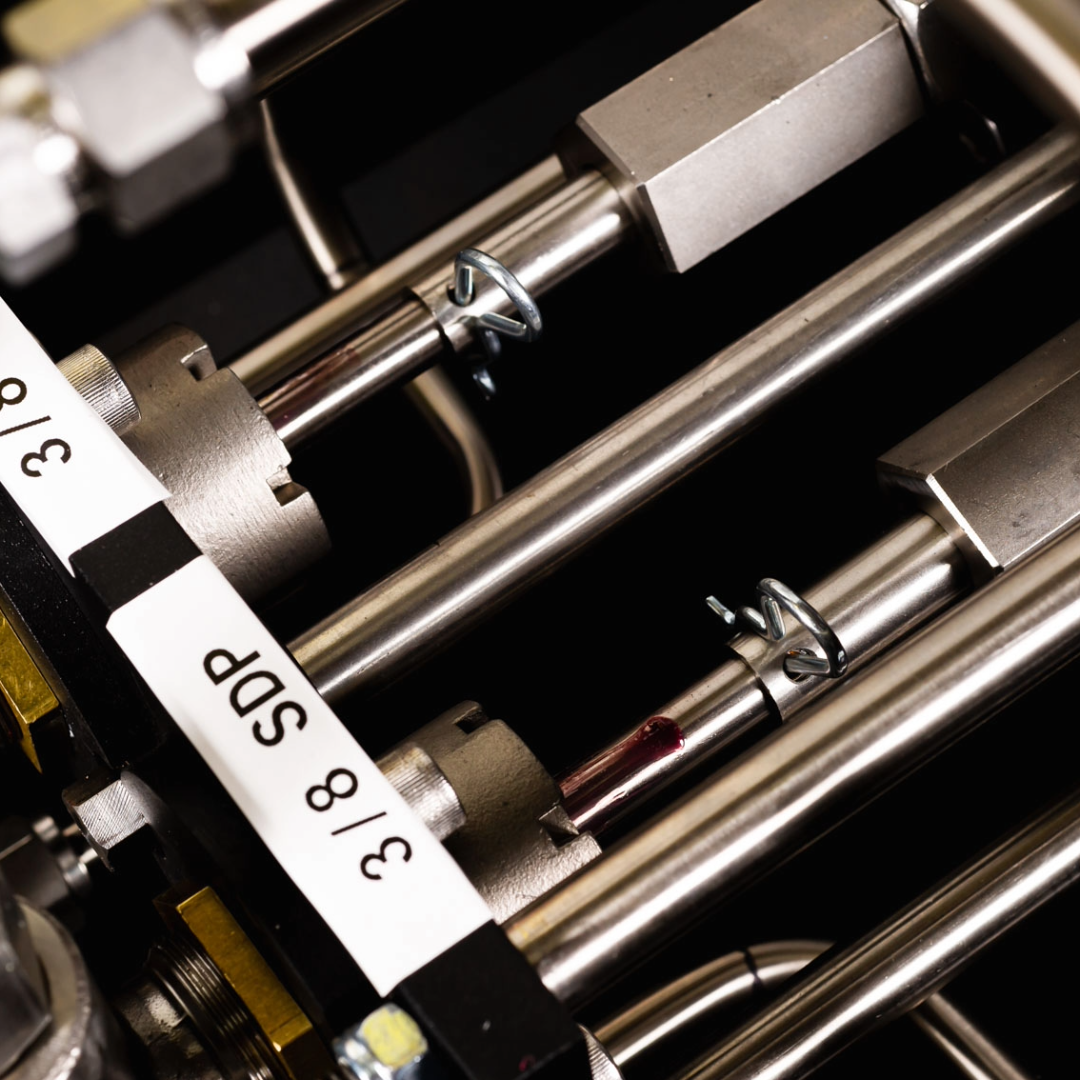
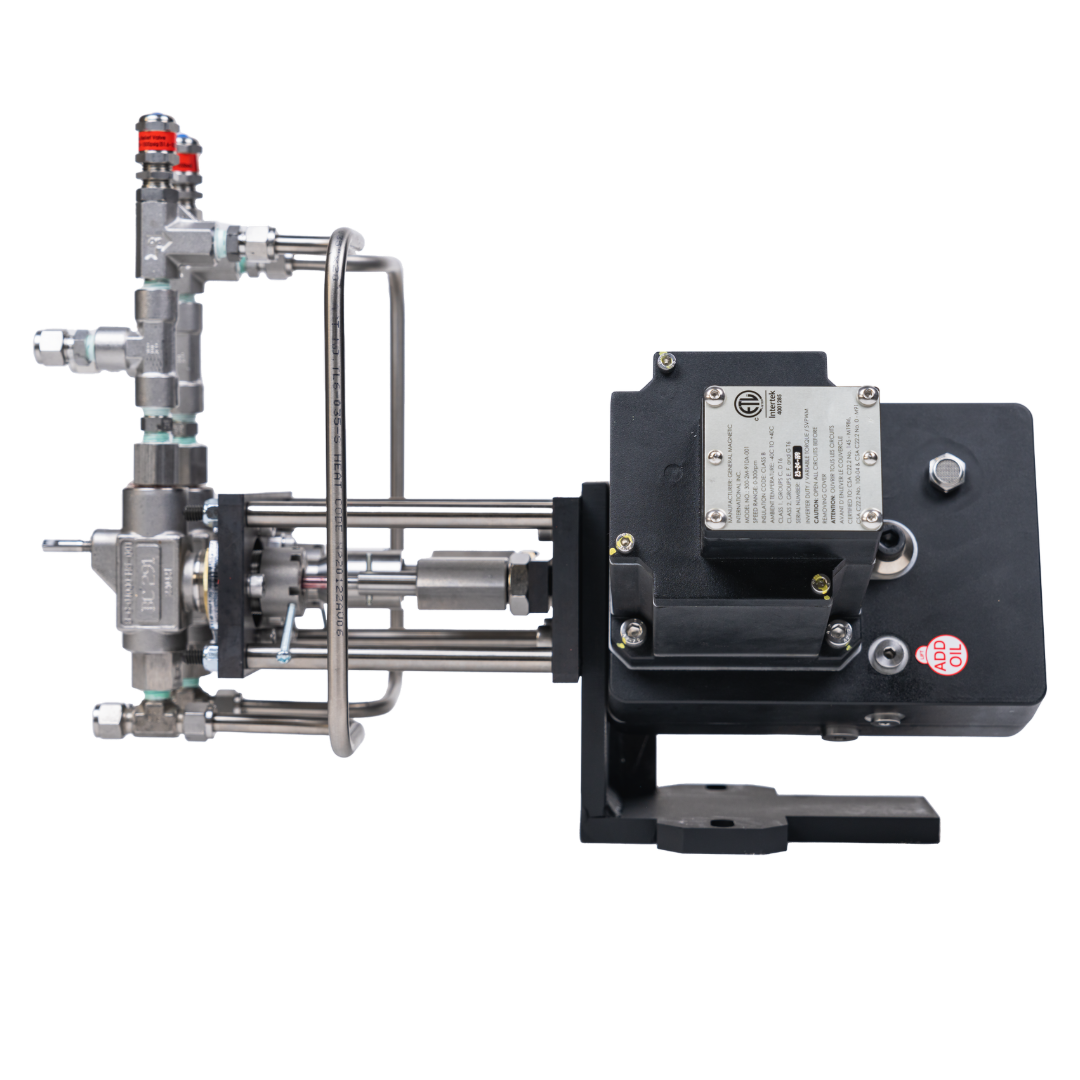
Chemical injection pumps play a critical role in the oil and gas industry by accurately delivering chemicals such as methanol, corrosion inhibitors, demulsifiers, scale inhibitors, and H₂S scavengers. Achieving the desired injection rate requires an understanding of the variables that control pump output.
There are three primary variables that determine the theoretical flow rate of a chemical injection pump:
• Plunger Diameter
• Stroke Length
• Pump Speed
• Plunger Diameter
Plunger diameter refers to the diameter of the pump piston that pressurizes and displaces the chemical. Changing the plunger diameter changes the volume of fluid displaced during each pump stroke. Common plunger sizes available for 5100-style chemical injection pumps include:
• 3/16"
• 1/4"
• 3/8"
• 1/2"
Larger plungers displace more fluid per stroke and therefore provide higher flow rates, while smaller plungers offer lower flow rates and finer control.
Stroke Length
Stroke length is the total linear distance traveled by the pump plunger during each pumping cycle. For example, if a pump is configured with a 1-inch stroke, the plunger moves 1 inch
between its fully retracted and fully extended positions. Stroke length directly affects the amount of chemical displaced during each stroke. Increasing the stroke length increases the volume delivered, while reducing the stroke length
decreases the volume delivered. The volume displaced during a single stroke is determined by the piston area and the stroke length.
Pump Speed
Pump speed is typically expressed as strokes per minute (SPM), which represents the number of pumping cycles completed by a pump head each minute. Increasing the pump speed
increases the total chemical delivered over time, while decreasing the speed reduces the injection rate.
Calculating Theoretical Flow Rate
The theoretical volume delivered by a pump is determined by three key factors:
Theoretical Flow Rate = Piston Area × Stroke Length × Pump Speed
Since piston area is calculated from the plunger diameter, all three variables work together to determine the expected pump output.By adjusting the plunger diameter, stroke length, and pump speed, operators can achieve the desired chemical injection rate for a given application.
Why Actual Flow May Differ from Theoretical Flow
In practice, the actual chemical volume delivered by a pump is often different from the
theoretical volume. Several factors can influence pump efficiency and performance, including:
• Fluid head efficiency
• Chemical compressibility
• Fluid viscosity
• Air entrapment within the system
• Internal leakage
• Incomplete chamber filling
• Temperature effects
• Mechanical wear of pump components
These factors can reduce volumetric efficiency and cause the actual flow rate to differ from calculated values.
Best Practices for Accurate Chemical Injection
For optimum performance and accuracy, injection pumps should generally operate within their mid-range speeds rather than near their maximum or minimum operating limits. Once an appropriate operating speed has been selected, the plunger diameter and stroke length can be adjusted to achieve the required chemical injection rate.
Periodic pump calibration and maintenance should also be performed to verify flow accuracy, identify wear, and ensure long-term reliability of the chemical injection system.
Understanding how plunger size, stroke length, and pump speed interact enables operators to properly size and optimize their chemical injection systems for reliable and accurate performance in the field.
Back to News